When Santa Terezinha Drains Clog Most: Reading the Seasonal Pattern
Drain emergencies in Santa Terezinha are not evenly spread across the calendar; they cluster, and the clusters are predictable. If you live or manage a building in this part of Santana, understanding those clusters lets you act before a slow sink turns into a flooded corridor. The practical answer to the search for a reliable desentupidora Santana São Paulo SP is to combine a trusted emergency contact with a timing plan: know when blockages peak, schedule prevention just before those windows, and keep a direct line for the moments when water wins.
This is not about superstition or guesswork. It is about reading the recurring conditions that push older clay and cast-iron lines, condo stacks, and restaurant grease traps past their limit. Below, the pattern is broken down by time unit so you can decide when to book maintenance and when to simply be ready.
The Rainy Season Surge: When Soil Movement Meets Old Pipes
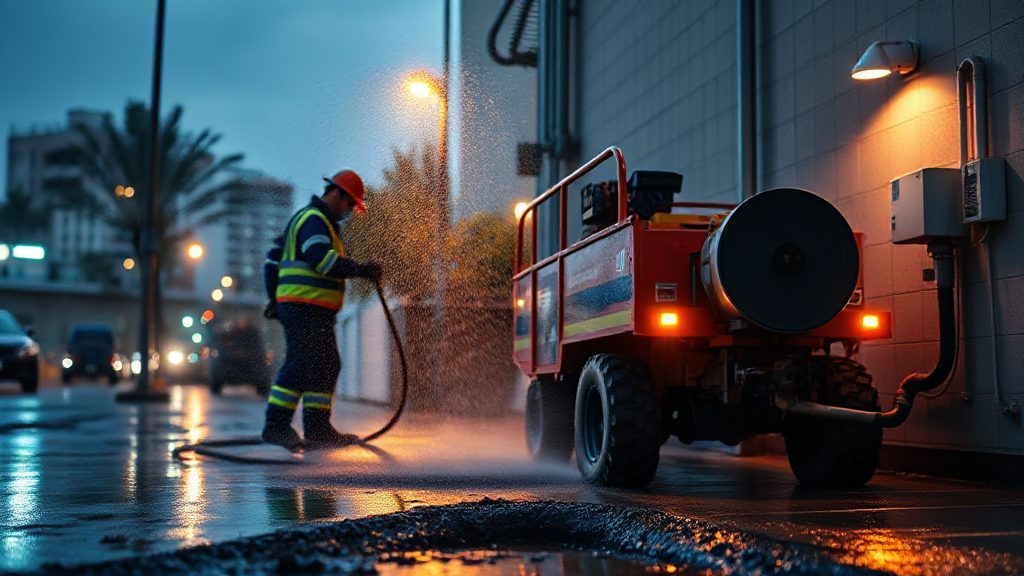
In São Paulo, the wettest months generally run from late spring into early autumn, and that is when Santa Terezinha sees the sharpest rise in calls for backed-up drains and gurgling floor traps. Heavy rain saturates the soil, raises groundwater pressure around buried pipes, and finds every hairline crack in aging vitrified clay or cast iron. Once stormwater infiltrates the sewer lateral, the line loses capacity and debris that was moving slowly suddenly stops.
The observed pattern is not that every rainy day produces a flood. It is that the first three or four intense storms of the season generate a disproportionate share of emergencies, because the ground is transitioning from dry to saturated and small defects open up. After that, calls tend to stabilize until a single extreme downpour overwhelms the municipal network and pushes water backward into low-lying ground-floor units.
What to do before the first heavy storm
A camera inspection or a preventive hydrojetting pass in late winter, before the rains settle in, is the highest-value action for a building manager. It clears grease and scale so the pipe can handle the extra inflow, and it exposes cracks that would otherwise become sinkholes or backups. For homeowners, clearing gutters, area drains, and the grate at the bottom of light wells prevents roof water from pooling against the foundation.
Keep in mind that a drain that smells faintly after rain is already telling you something. That odor is often trapped gas escaping through a partially blocked trap or a dry seal, and it is a cheap warning compared with a weekend emergency.
Holidays and Long Weekends: The Kitchen and Condo Stack Effect
Holiday periods produce a different kind of cluster: kitchen drains, condo stacks, and commercial grease lines. When families host, cooking oil, coffee grounds, and food scraps go down the sink at a higher rate, and the cumulative load on a shared vertical stack in a building rises sharply. Restaurants and bakeries in the area also see peak production, and their grease traps fill faster than the maintenance calendar assumes.
The pattern is consistent enough to plan around. The days immediately before a long weekend are the best window for a preventive visit, because once the holiday starts, everyone is cooking and nobody wants a technician in the kitchen. After the holiday, the first two or three days bring a wave of calls from units that backed up during the festivities but were tolerated until normal life resumed.
Weekend and after-hours behavior
Weekends are when small problems become visible: the washing machine drains slowly, the shower pan fills, the toilet gurgles when the sink runs. Because people are home and using more water simultaneously, a partially blocked line that performed fine on a workday suddenly shows its limit. This is why a desentupidora Santana with genuine 24-hour coverage matters more on a Saturday night than on a Tuesday morning.
For building managers, the takeaway is to confirm the emergency contact and access procedure before the weekend, not during it. Knowing who has the key to the mechanical shaft and who can authorize after-hours work prevents hours of water damage while a decision-maker is unreachable.
Month-End and Payday Rhythms: When Commercial Kitchens Push Harder
Commercial blocks and food service establishments often show a month-end pattern. As businesses push to close the month, kitchens run longer shifts, dishwashers cycle more often, and grease and solids accumulate in the line faster. The result is a predictable rise in calls for clogged floor drains and grease-choked laterals in the last week of the month and the first days of the next.
For a restaurant or a commercial building, the practical takeaway is to schedule grease trap cleaning and line jetting before that final week, not after a backup. A simple log of when the trap was last pumped and how the drain behaved during the previous month-end is more useful than a vague memory of “it usually works.”
Residential buildings show a milder version of the same rhythm. When invoices, rent, and condominium fees fall due, discretionary maintenance gets postponed, and small blockages wait until they become emergencies. That deferral is exactly what turns a routine desentupidora em Santana São Paulo SP visit into an after-hours rescue with water on the floor.
Reading the Signals: A Preventive Calendar That Fits the Pattern
A useful preventive calendar for Santa Terezinha does not need to be complicated. It needs to match the clusters described above and to be honest about what each season stresses most. The table below summarizes the timing logic.
| Period | Typical stress point | Preventive action |
|---|---|---|
| Late winter, before heavy rain | Infiltration and soil movement around buried lines | Camera inspection and hydrojetting of main laterals |
| Before long holidays | Kitchen grease and condo stack load | Clear kitchen lines and confirm grease trap capacity |
| Last week of the month | Commercial kitchen intensity | Schedule trap cleaning and line jetting before the peak |
| Weekends and after hours | Simultaneous residential use | Verify emergency contact and access authorization |
Two common mistakes undermine this calendar. The first is treating a slow drain as a nuisance rather than a data point; a drain that has slowed twice in a month is already in a failure pattern. The second is relying on chemical cleaners, which can melt grease into a downstream blockage and damage older pipes without removing the underlying obstruction.
A better habit is to note the date, the fixture, and the weather when a drain misbehaves. Over a year, that simple log reveals your building’s own seasonal fingerprint, which is more accurate than any general rule.
Acting Before the Peak: What Residents and Managers Should Do Now
The most useful conclusion from the pattern is that the cheapest emergency is the one you prevent in a quiet week. For residents, that means keeping grease, wipes, and hair out of drains and calling for a professional inspection when a fixture slows rather than waiting for a backup. For managers, it means putting preventive jetting and grease trap maintenance on the calendar before the rainy season and before the holiday and month-end peaks.
When a blockage does happen, the response should be immediate and documented: shut off water at the fixture, protect nearby electrical points, and call a team that can arrive with proper equipment rather than a hand auger. A professional crew can confirm the cause with a camera, clear the line with hydrojetting where appropriate, and tell you whether the problem is local or a sign of a larger defect in the lateral.
Finally, keep the emergency number somewhere everyone can find it, and make sure the building’s access rules allow after-hours work. The seasonal pattern will not change, but your readiness can. Acting a few weeks before each cluster is what separates a routine maintenance budget from a water-damage claim.