Feeding a Mixed Table at a Japanese Restaurant
Picture a table of four. One person won’t touch raw fish, another wants nothing but sashimi, a third is watching their budget, and a fourth is a teenager who claims they aren’t hungry until the food arrives. A Japanese restaurant can handle all of them, but only if you plan the order instead of hoping everyone finds something. If you’re comparing menus before you go, a quick look at the togel online menu page gives you the full picture of what’s available, so nobody is left guessing at the table.
The good news is that Japanese cuisine is built for sharing and for mixing cooked and raw dishes in one meal. The trick is knowing which sections of the menu to lean on for each kind of diner, and how to book a table that fits grandparents, kids, and picky eaters at the same time.
Start With the Raw-Fish Skeptics
Someone at your table will always prefer their fish cooked, and that’s completely normal. The mistake is assuming they’ll be stuck with a side salad while everyone else eats sashimi. Most Japanese menus carry enough cooked options to build a full meal around.
Cooked dishes that still feel like a real Japanese meal
- Teriyaki chicken or salmon, which gives a familiar grilled flavor with a Japanese sauce profile.
- Tempura, lightly battered and fried vegetables or shrimp, easy for kids and cautious adults alike.
- Cooked rolls and inari pockets, which feel like sushi without the raw element.
- Rice bowls and noodle dishes, filling enough to stand alone as a main course.
Order one of these as a shared plate so the skeptic can taste a little of everything without committing to a full portion. Shared cooked plates keep the table connected instead of splitting it into two separate meals.
For the Sashimi Purist
The person who only wants raw fish is usually the easiest to please and the hardest to impress. They care about freshness, cut, and temperature more than variety. Give them the lead on the sashimi order and let them choose the size of the platter.
What to ask about before ordering
Ask which fish came in that day, and whether the kitchen can do a mixed sashimi plate rather than a single-fish portion. A good restaurant will tell you honestly what’s at its best. If the purist at your table is also the one paying, a smaller sashimi selection plus one cooked dish usually balances cost and satisfaction.
Keep the sashimi away from the cooked food on the table so flavors and temperatures don’t mix. Freshness is the whole point of sashimi, and a plate that sits next to hot tempura for ten minutes loses its edge.
Ordering for Kids and Older Relatives
Multi-generational tables need food that is easy to chew, easy to recognize, and not too adventurous. That doesn’t mean bland. It means choosing dishes with clear textures and mild sauces.
Kid-friendly picks
Teriyaki, cucumber rolls, avocado rolls, and plain rice are safe bets. Ask for sauces on the side so a child can control how much flavor hits their plate. If the restaurant offers a smaller portion size, take it; kids often eat less than parents expect and more than they admit.
Choices that work for grandparents
Soft textures matter more than strong flavors here. Steamed rice, miso soup, cooked fish, and lightly dressed vegetables are gentle and familiar. Avoid very chewy cuts and heavily salted dishes. If someone in your group has dietary restrictions, call ahead rather than asking at the table, because the kitchen can prepare better when it has notice.
One shared soup and one shared rice dish anchor the table and give every generation something to reach for.
Building a Balanced Order for Four
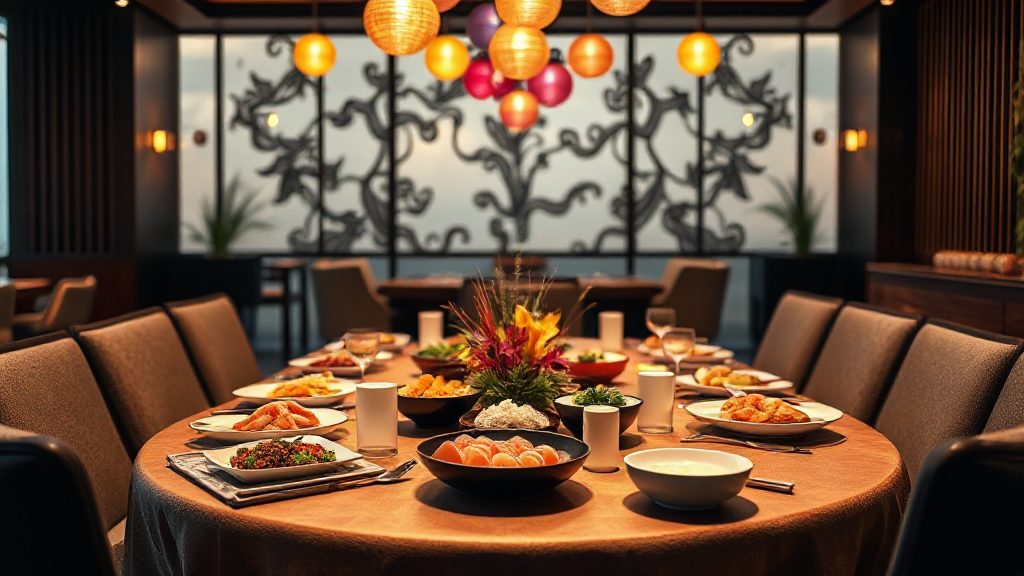
A table of four rarely needs four separate mains. Two shared starters, one sashimi platter, one cooked main, and a couple of rolls usually feed everyone with a little left over. Here’s a simple comparison to help you decide how to split the order.
| Diner type | Best order | Share with |
|---|---|---|
| Raw-fish skeptic | Teriyaki or tempura main | Whole table as a starter |
| Sashimi purist | Mixed sashimi platter | Only other raw-fish eaters |
| Child | Small roll plus rice | Parents at the table |
| Older relative | Cooked fish, soup, vegetables | Anyone wanting a lighter plate |
Order in two rounds rather than all at once. The first round covers drinks, soup, and a couple of shared plates. The second round fills gaps once you see what people actually ate. Two rounds reduce waste and keep hot food hot, which matters more than most diners realize.
Booking a Table That Suits Everyone
Reservations are where a good family meal is won or lost. Call or book online a few days ahead for a group of four or more, and mention that you have children and older guests. A restaurant can seat you at a quieter table, prepare a high chair, or note a dietary need before you arrive.
Ask about timing, too. Early evening slots are calmer and easier for young kids and grandparents who don’t like waiting. If you’re ordering takeout instead, place the order before the dinner rush so the sashimi is packed fresh and the cooked dishes are still warm when they reach your table at home.
Finally, confirm the menu you looked at online matches what’s being served that day, since fresh fish availability changes. A quick call ahead saves a table full of disappointment, and it lets every diner, from the sashimi lover to the one who won’t touch raw fish, sit down knowing there’s something on the table for them.